For fashion brands
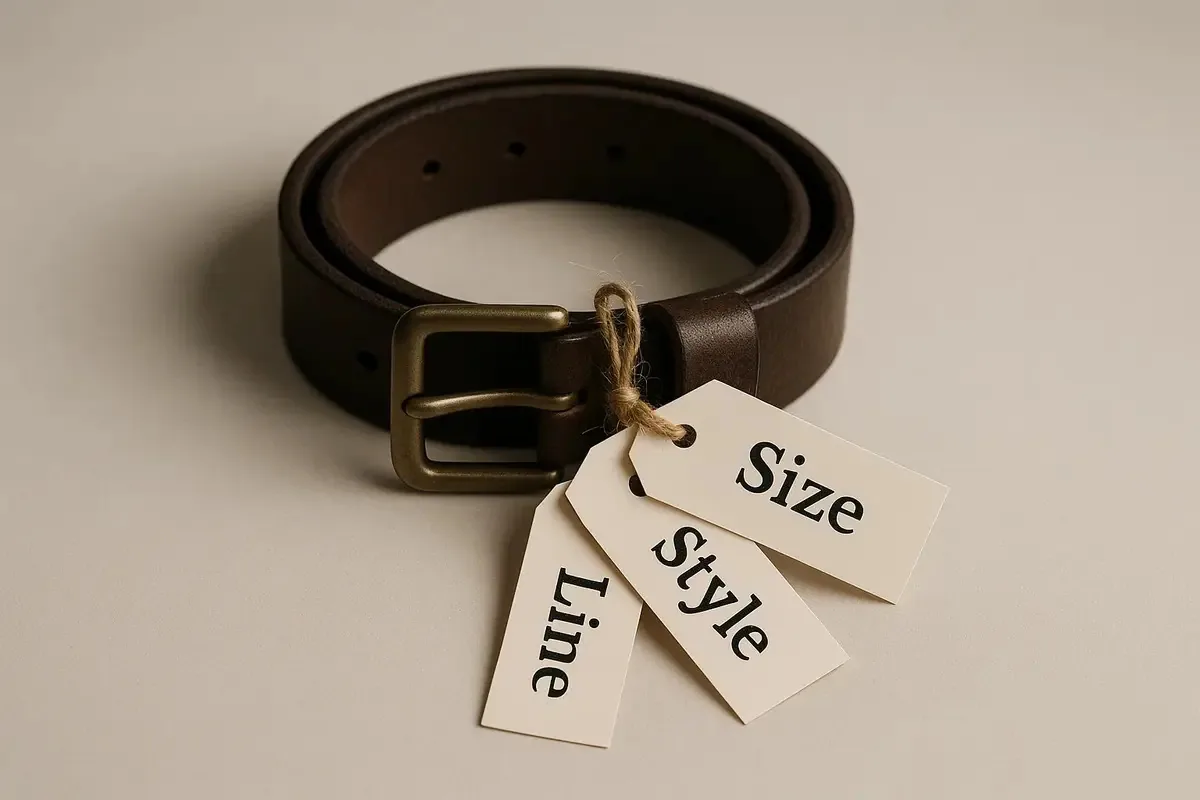
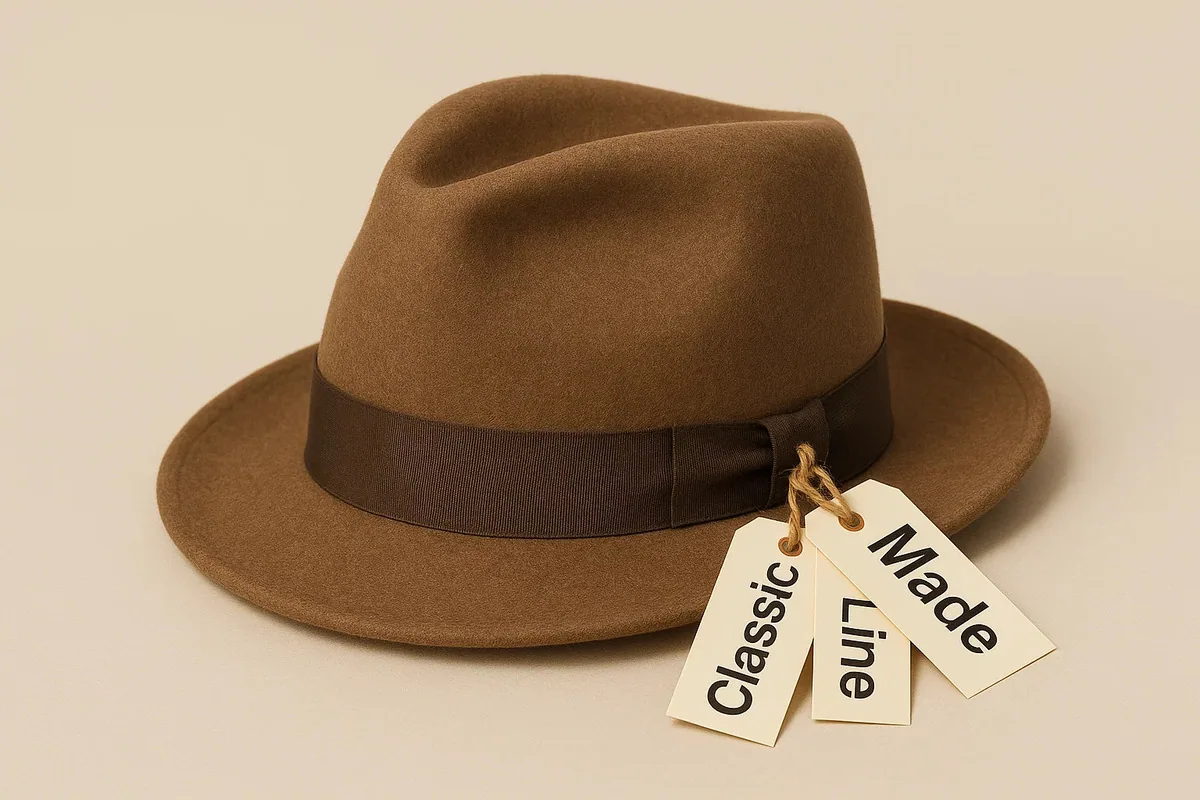
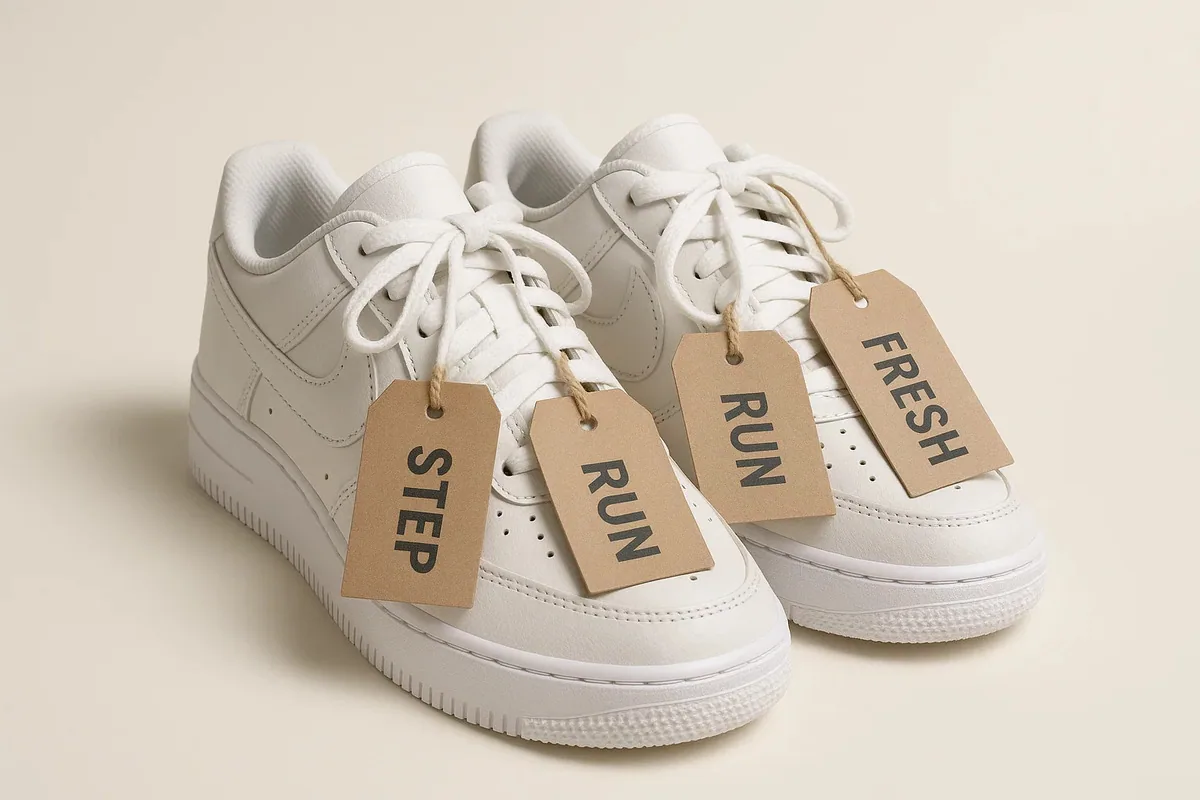
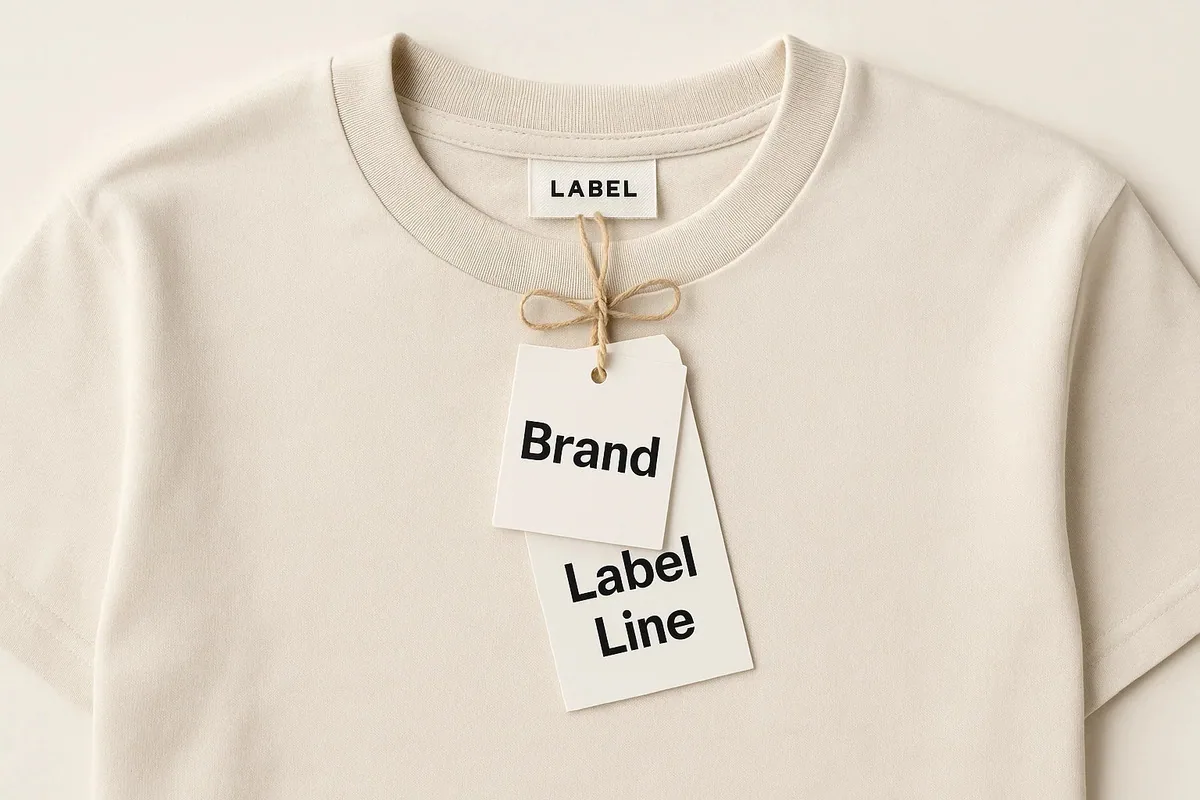
Fashion & Apparel Swing Tags
Choose a tag format that carries the size, price, care and brand information shoppers need without distracting from the garment.
Choose a format
Relevant swing tag products
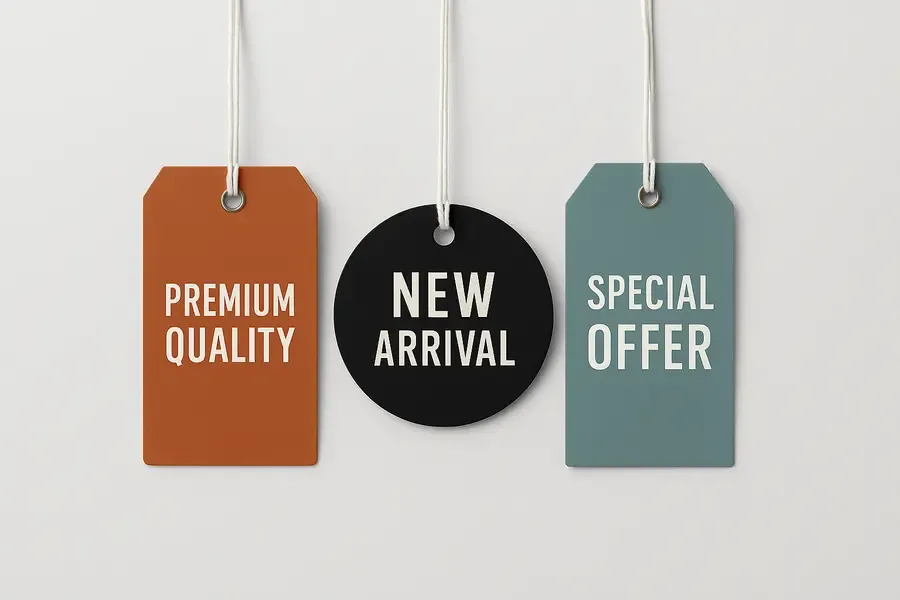
Standard Swing Tags
A versatile starting format for brand, price and product information.
View product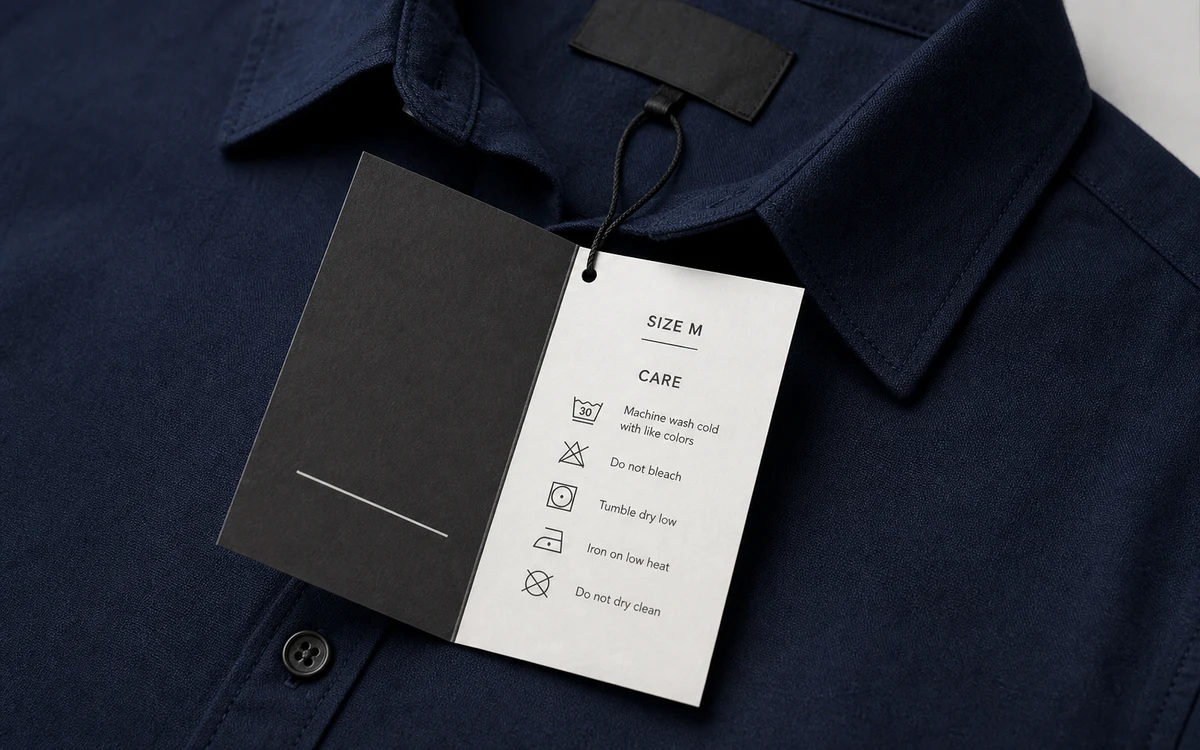

Plan the specification
What to consider for fashion & apparel swing tags
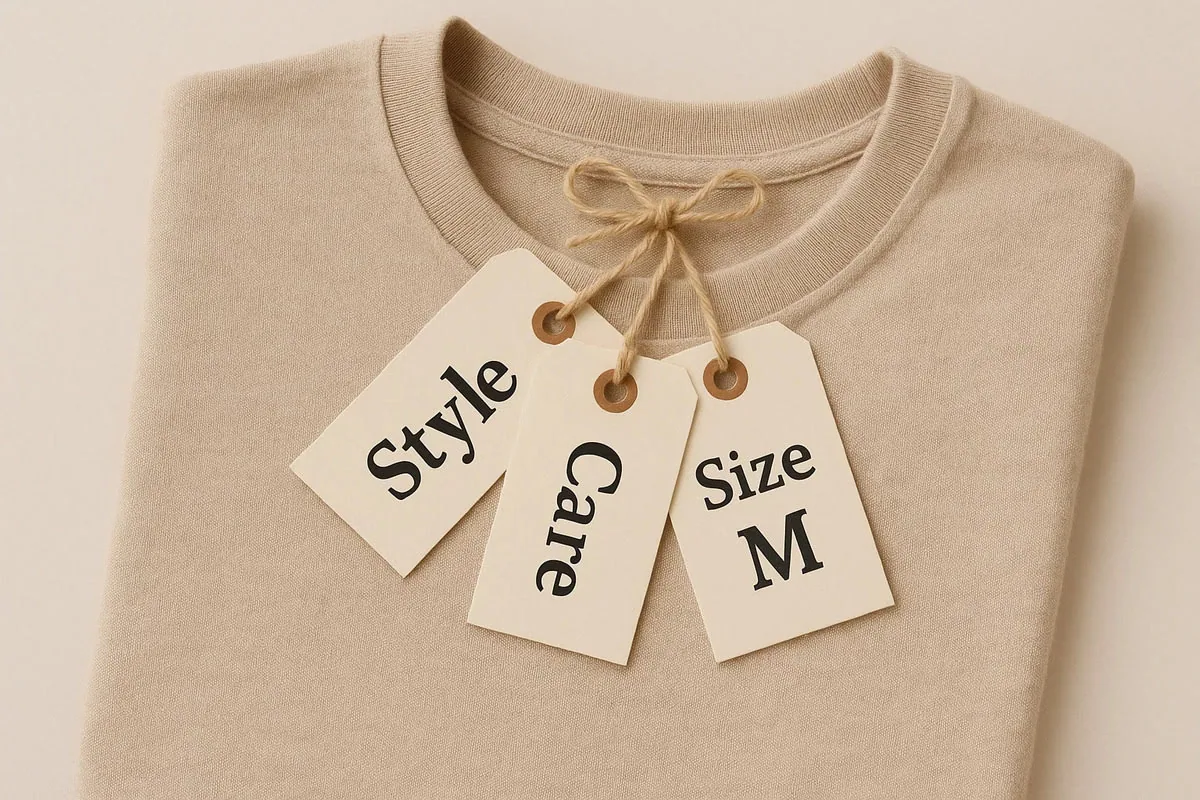
Apparel tags need to work across a collection, remain readable on a rail and attach without marking fabric. Build the information system first, then select a card, finish and string that support the position of the brand.
Collection consistency
Keep the core size, layout and attachment consistent while using variable colour, size, price or SKU information for individual garments.
Garment contact
Test cord, eyelets and tag corners against delicate knits, light fabrics and finished surfaces before approving the construction.
Retail handling
Allow for transport, steaming, hanging and repeated customer handling without making the tag unnecessarily heavy.
Information hierarchy
Details the tag may need to carry
- Brand and collection name
- Garment size and colour
- Price, SKU or barcode where required
- Material or care summary where appropriate
- Website, social handle or QR destination
Production notes
Turn the idea into a workable tag
A standard tag suits concise brand and retail information; a folded or concertina format provides more panels for care, provenance or multilingual copy.
Confirm whether tags are supplied loose, pre-looped or fully attached. Application time can matter as much as print cost for a large clothing run.