
For retail displays
Retail & Pricing Tags
Build a clear product-information system with a practical format, readable price area and options for barcodes or product references.
Choose a format
Relevant swing tag products



Standard Swing Tags
A versatile starting format for brand, price and product information.
View product
Plan the specification
What to consider for retail & pricing tags
Retail tags must help both the shopper and the store team. A clear hierarchy separates brand and product benefits from operational details such as price, SKU, barcode, size and stock references.
Scanning
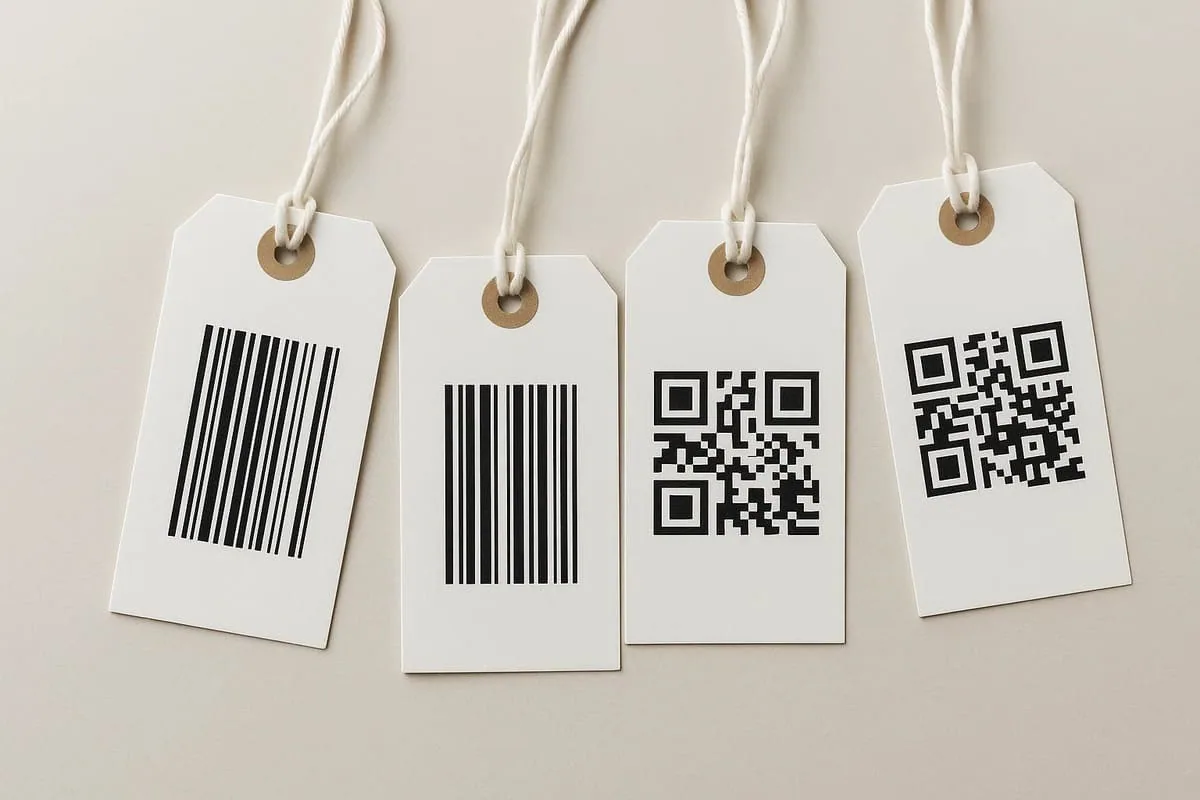
Give barcodes sufficient size, contrast and quiet space, then test the printed result with the scanners used in store.
Price changes
Use a writable area, variable print or detachable ticket where staff need to update or retain price information.
Range architecture
Keep stable information in common artwork and define controlled fields for product, colour, size and promotional variants.
Information hierarchy
Details the tag may need to carry
- Product name and variant
- Price and currency
- SKU, EAN or internal reference
- Size, colour or quantity
- Promotion terms or QR destination
Production notes
Turn the idea into a workable tag
Perforation can separate a customer-facing panel from a stock or claim stub. The tear line, duplicated references and barcode position need to be planned together.
High-contrast promotional tags should remain consistent with the product and should not obscure legally required packaging information.