
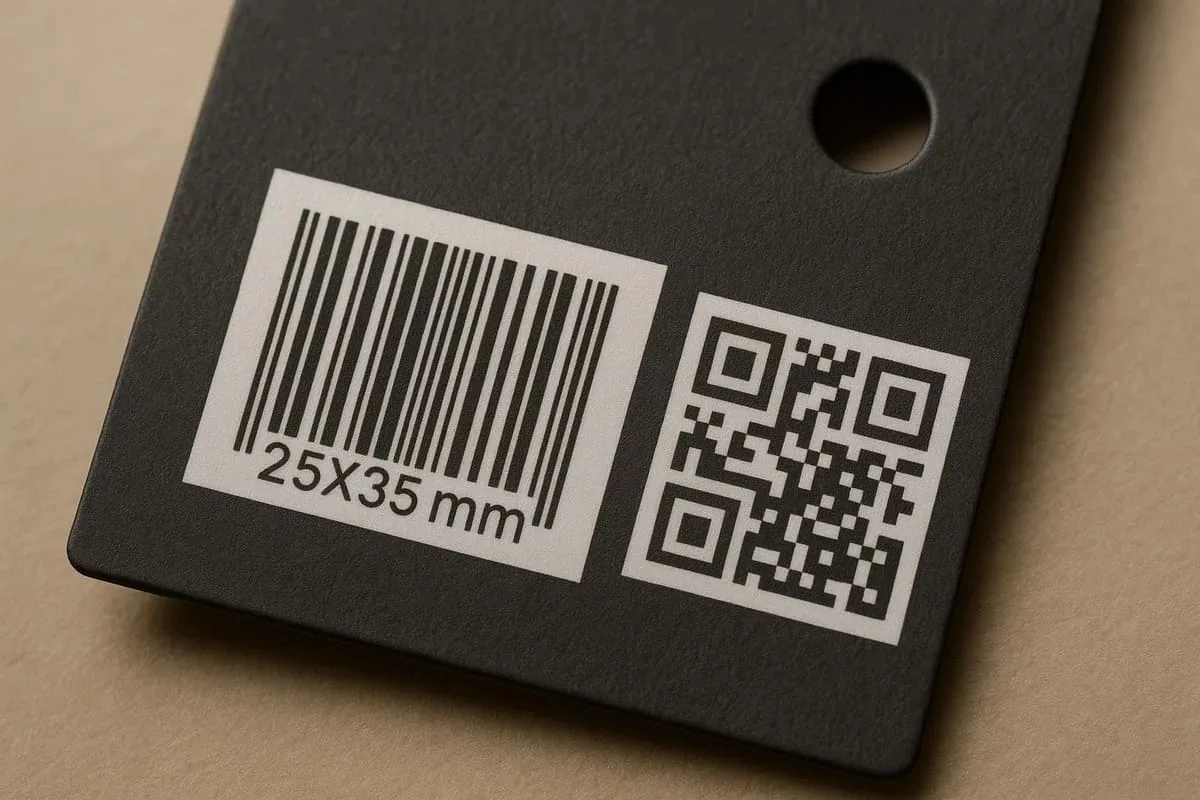
Matt Lamination

Matt laminated swing tag

Matt lamination bonds a low-sheen film to printed card. It reduces surface glare, changes the feel of the tag and can improve resistance to scuffing and handling. It also changes recyclability and may affect the appearance of dark colours, fine type and later finishes.

When matt lamination is useful

Matt film suits artwork that needs a controlled, understated surface rather than a reflective gloss. It is often chosen for clothing, cosmetics and premium retail tags handled repeatedly before purchase.

Design and production checks

  • Review dark solids for marking and fingerprints.
  • Keep very small reversed type clear and robust.
  • Confirm whether foil or Spot UV will be applied over the laminate.
  • Score folded tags after lamination to reduce cracking risk.
  • Compare a sample if surface feel is central to the brand brief.

Matt is not the same as uncoated

Uncoated card exposes the paper surface and is generally easier to write on. Matt laminate is a film over printed stock, so it feels smoother and less absorbent. Choose according to use, not simply because both appear low-gloss.

Decision context

Use matt lamination for a defined surface result

Matt lamination applies a low-glare film to the printed surface. It can change feel and help protect print from ordinary handling, but it also changes colour perception, recyclability of the complete construction and the way later processes adhere. It is not a universal waterproofing claim.

Decide whether one or both sides require lamination and whether a writable, scannable or adhesive area must remain untreated. Very dark solids can still show marking, and fine text must retain sufficient contrast. The base card and printed ink remain part of the final visual result.

Foil, Spot UV, folds, perforations and die-cutting need to be planned in the production sequence. Keep barcodes and QR codes away from glare or strong surface effects, and test any pen, label or stamp intended for the finished face rather than the unlaminated board.

Compare a physical sample if tactile feel and sheen are important. Record film type, sides, coverage and compatible stock in the quote, and show any excluded area clearly in the artwork. Approve the finish as part of the complete tag rather than by name alone.