For beauty and cosmetics

Beauty & Cosmetics Tags

A clean, premium tag can make product details, ingredients, shade information and brand presentation easier to understand.

Choose a format

Tag formats for beauty and cosmetics

View all products

Plan the specification

What to consider for beauty & cosmetics tags

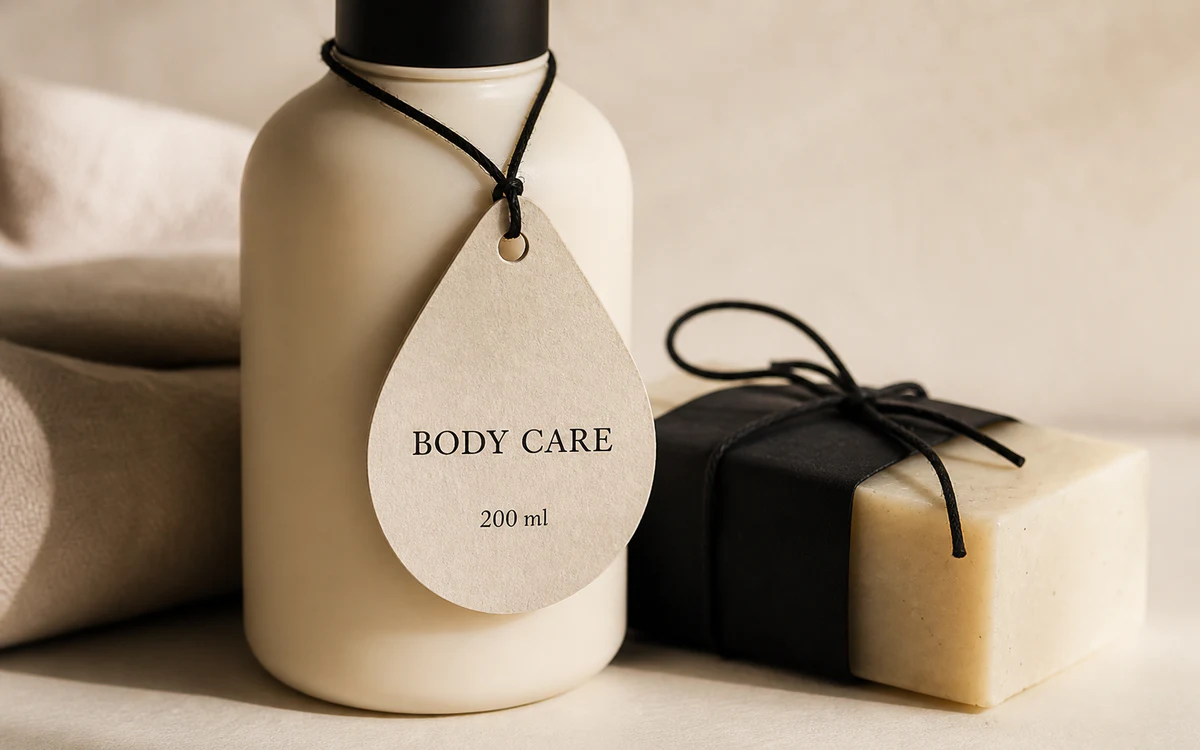
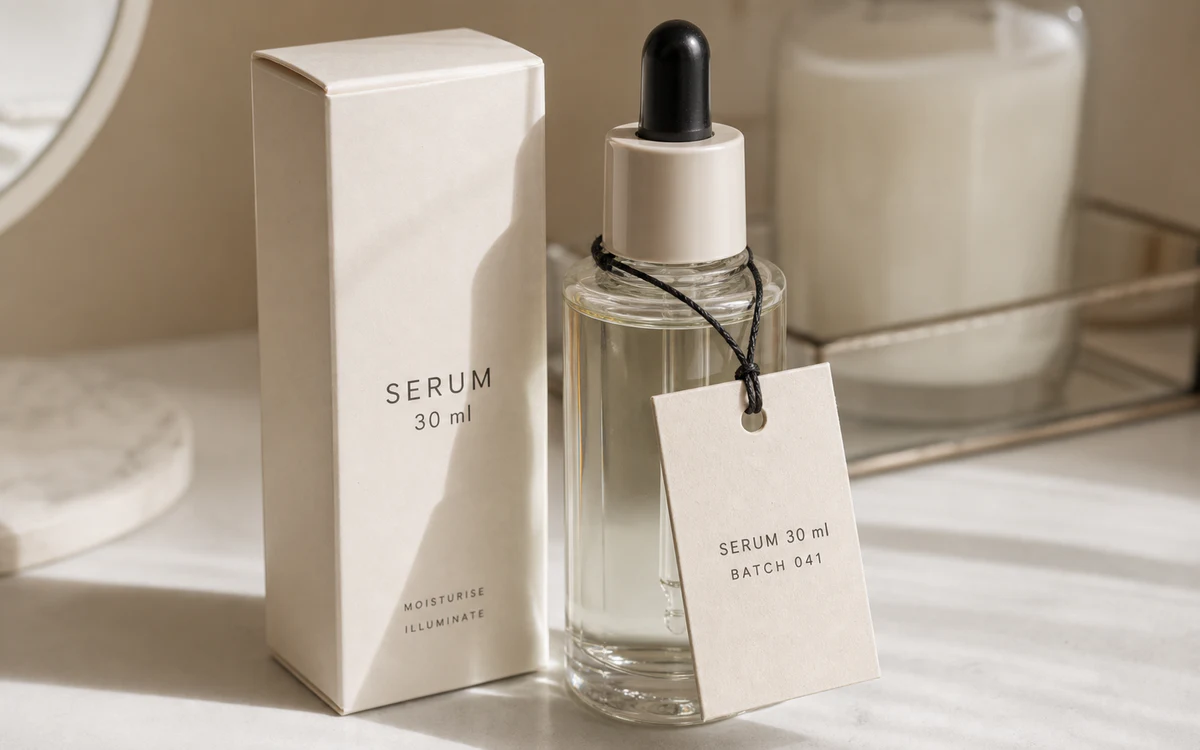
Beauty tags often sit beside compact containers and premium cartons. They need clear hierarchy, clean handling and enough space for shade, routine or campaign information without duplicating required pack copy unnecessarily.

01

Small containers

Test the tag against bottles, jars and caps so it does not overpower the pack, catch on pumps or cover tamper evidence.

02

Surface and handling

Cosmetic oils, moisture and repeated handling may mark unprotected board. Select card and finish around the real environment.

03

Range variation

Plan shade, scent, size and language versions as structured fields while keeping the visual system consistent.

Information hierarchy

Details the tag may need to carry

  • Product and shade or scent name
  • Use or routine summary
  • Key feature stated accurately
  • Size or product reference
  • Website, tutorial or QR destination

Production notes

Turn the idea into a workable tag

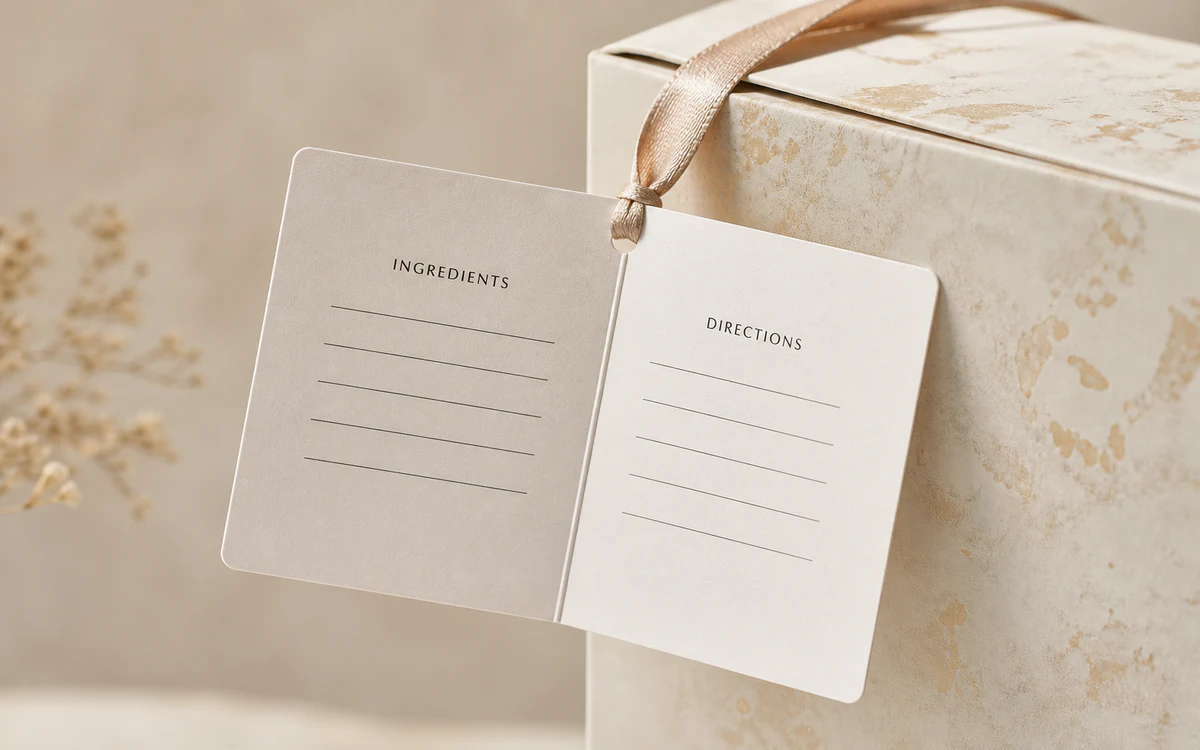
Folded and concertina tags provide extra panels for routine or multilingual information; a standard or custom shape may be better for a concise premium presentation.

Soft-touch, foil and Spot UV can change the surface and production schedule. Keep functional codes and very small text away from reflective or highly textured areas.

Decision context

Coordinate the tag with compact beauty packaging

Beauty tags often accompany small bottles, jars and cartons, so scale and hierarchy need early attention. Use the removable tag for an appropriate shade, scent, routine, launch or tutorial message while keeping required product information on the relevant primary packaging or label.

Test the construction around pumps, caps, seals and carton openings. The tag should not obstruct use, hide tamper evidence or catch during packing. Cosmetic oils, moisture and repeated handling can mark unprotected board, so surface choice should reflect the real product environment.

Plan shade, scent, size and language changes as structured versions. Stable brand artwork can remain common while variable fields occupy controlled areas. This makes proofs easier to compare and reduces the risk of attaching the right design to the wrong product variant.

Foil, Soft Touch, lamination and Spot UV can support a premium surface, but each adds artwork and production requirements. Keep functional codes and small copy away from reflective or strongly textured areas, and review the tag beside the container and carton before approval.